InnerEthics® Wisdom Circles · Psychedelic Guide Network
A structured peer circle where you bring real situations, rotate through three roles; presenter, consultant, facilitator; and leave with more clarity than you arrived with.
Lead format is 17 CE. If you don’t need 17, an 11 CE configuration is available; if you need more, 28 CE is also available.
Ashley Carmen, LMFT, reads every application personally. Enrolling quarterly.
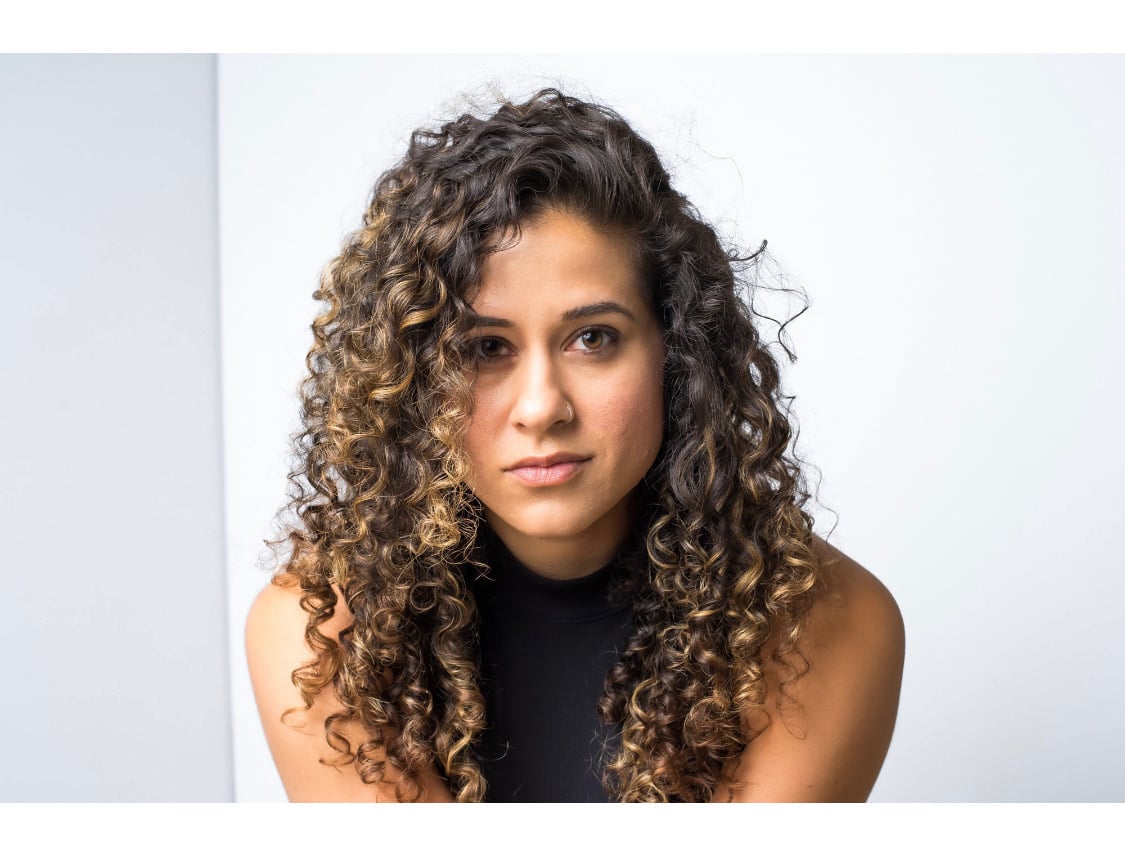
Ashley Carmen, LMFT
Founder, Psychedelic Guide Network

The Work You Do Alone
You finished your training. You were ready: or ready enough.
And then you started doing the actual work.
The client who doesn’t land the way they’re supposed to. The session that surfaces something in you you weren’t expecting. The ethical question no training program prepared you for: because it isn’t a question with an answer. It’s a question you have to sit with.
With someone who understands what the room requires.
Most guides are doing this alone. Not because they want to. Because the psychedelic space doesn’t have a structure for what comes next.
“It can be a lonely world out there as we navigate our inner landscapes.”
- Shannon Leigh
Psychedelic Guide & PGN Member
“A component I found lacking within the psychedelic domain.”
- Maria Dimakos
Psychotherapist & Psychedelic Practitioner
What InnerEthics® Actually Is
In a PGN InnerEthics® Wisdom Circle, every member rotates through three structured roles: presenter, consultant, and facilitator. You bring a real situation: a case, a moment, a pattern you’ve been carrying. Your peers don’t solve it for you.
They inquire.
The goal of InnerEthics® is not to arrive at an answer. It’s to help the presenter see what they couldn’t see alone. The InnerEthics® model - developed by Kylea Taylor - is built on one premise: the most important ethical work is not behavioral compliance. It’s understanding your own internal motivation in the room.
Brings a real case. Not hypothetical. Not sanitized. What you’re carrying between sessions has a place here.
Asks questions designed to illuminate: not advise. Holds the compassionate inquiry structure. Emotionally attunes to the presenter.
“What was happening in you when that moment arrived?”
Holds the container. Ensures the process. Rotates every session. The power is peer-distributed. There is no hierarchy here.
This is not a consultation group. It is not a Signal community. It is not a place where experienced guides give newer ones advice.
It is the container for the people who hold the container: where the work of being a guide gets examined with the rigor and care the work deserves.

What Makes It Different
vs. Clinical supervision
Supervision is hierarchical. A licensed professional evaluates your work and tells you what to do differently. InnerEthics® Wisdom Circles are peer-led. Nobody here is above you. Nobody is assessing your competence. The inquiry comes from equals: and it goes deeper because of it.
vs. Consultation groups
Most consultation groups are unstructured. Good intentions, loose process. People share cases and offer reactions. InnerEthics® circles have a method. Every session has a structure. Every role has a function. You leave with more clarity than you arrived with: not just a sense that you talked it through.
vs. Online communities
Communities are passive. You post. You hope. You scroll. A Wisdom Circle is accountable. You show up. You present. You witness. You are witnessed. The container is built on commitment, not convenience.
Where Are You Right Now?
For you if…
You came to this work from a clinical or structured professional background. You know how to hold space. And you have discovered that none of your training fully prepared you for what psychedelic facilitation asks of you.
“You spent years learning how to hold space for others. Who’s holding space for you as you navigate this transition?”
For you if…
You’ve been doing this work for a while. You have lineage, experience, and real competence. What you don’t have is a peer group that meets you at that level: where you can bring the hard thing and trust that you’ll be met with genuine inquiry.
“You’ve been doing this work for years. You know what you’re doing. And you’ve been doing it completely alone.”
Take the Assessment
If you’re not sure whether InnerEthics® Wisdom Circles are right for where you are right now: the Ethical Readiness Assessment surfaces your profile in 5 minutes.
Take the AssessmentWhat Guides Say After Their First Circle
“My professional background in psychotherapy has instilled in me the importance of peer supervision and support - a component I found lacking within the psychedelic domain. The opportunity to receive guidance and insight from fellow practitioners within a space characterized by authenticity and clarity is not only supportive and grounding but also facilitates personal and professional growth.”
Maria Dimakos
Psychotherapist & Psychedelic Practitioner
Wednesday Circle → Thursday Client Session
“I want to thank everyone who was on our call this Wednesday. It really helped me to make a shift with my client. We had the most honest and tender conversation to date around death, and what is ahead for her.”
Jean Johnson
Psychedelic Guide & PGN Member
“I feel so much more resourced, knowledgeable, and confident in my guiding - because of my connection with you all.”
Frederico Wiedemann PhD
Psychedelic Practitioner & Researcher
Said During Her First Circle Session
“I feel like I’ve died and gone to heaven.”
Shira Etzion, LMFT
Psychedelic Guide & PGN Member
“I’ve shared my satisfaction and the PGN link with other groups I belong to - I hope it’s resulted in another member or two, or at least some community awareness.”
Rene Frey-Jennings
PGN Member

The Application
The InnerEthics® Wisdom Circle application asks one question. Not your credentials. Not your certifications. Not your years of experience.
It asks you to write your Ethical Biography: the defining moments in your practice that have shaped how you understand right relationship with clients. The places you’ve gotten it right. The places you’re still working through.
Most guides have never been asked this question before.
That is the point.
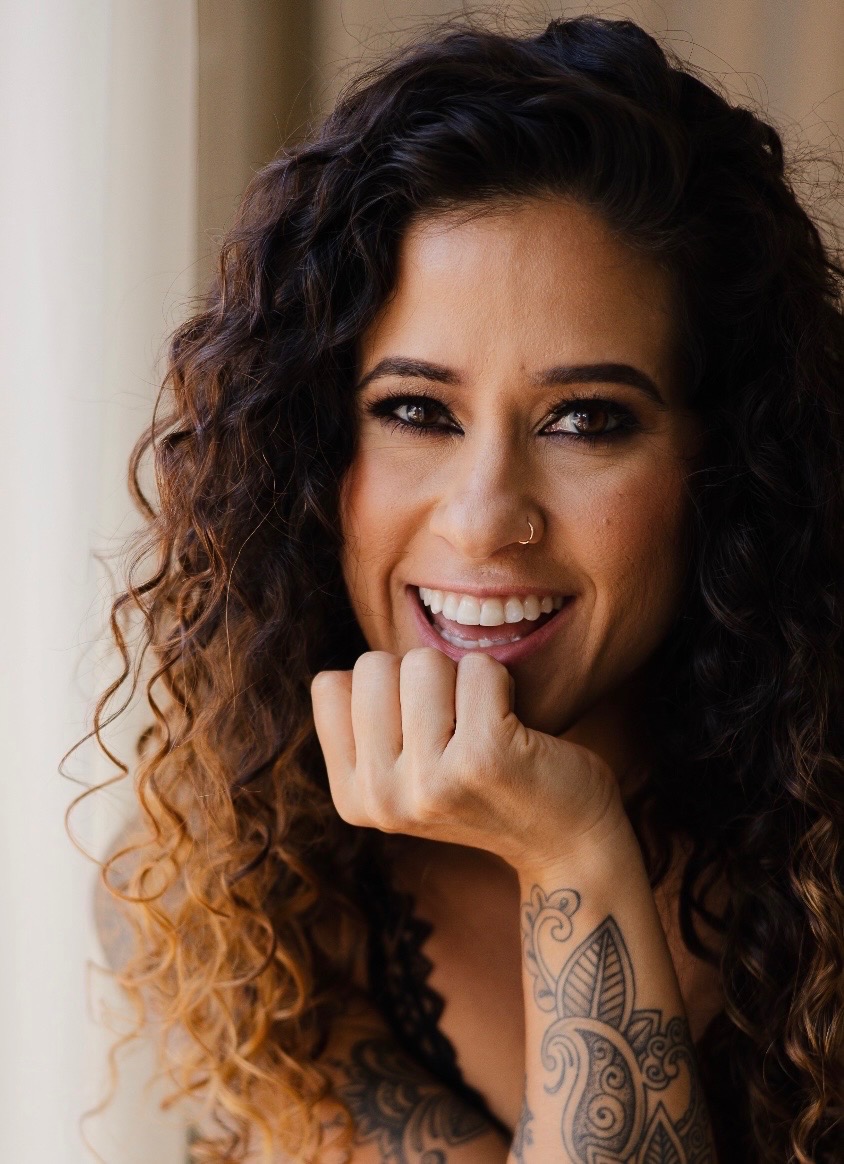
“I read every Ethical Biography personally. It’s how I understand where you are in your practice - and whether a circle is the right next step.”
- Ashley Carmen, LMFT
Founder, Psychedelic Guide Network
The Ethical Biography is a guided self-reflection - seven inquiries into your relationship with this work. It takes about 15 minutes, and it’s the first step toward a Wisdom Circle.
Begin Your Ethical BiographyWhat You Receive
Standard Enrollment
Three months of full Wisdom Circle participation.
Enrollment with CE
Three months of full Wisdom Circle participation, plus 17 CE Hours (APA-approved). 11 / 28 CE configurations also available.
After your first three months: $199/mo — same on both paths.
Note on course access: InnerEthics® CE courses (Ethics 101–103 and 106) are included in your Wisdom Circle membership. These recorded online trainings are part of your preparation for live circle work: not an add-on. CE credits are available for all recorded trainings and the live 3-hour Onboarding Training. Circle sessions are not yet CE-accredited. Ethics 104 and 105 are available separately on the PGN site and are not included with Wisdom Circle membership.
PGN does not offer sliding scale pricing. The enrollment reflects the seriousness of the container - and pre-qualifies the commitment it requires.
What Guides Ask Before Applying
Continuing Education Details
for Mental Health Professionals
17 CE Hours · 5 Live + 10 Homestudy · APA-Approved Hybrid Format
Faculty
Kylea Taylor, MA, LMFT
Ashley Carmen Mrozek, LMFT
Format
Course Description
A 17-hour hybrid continuing education program for post-licensure mental health professionals. The course addresses peer consultation, compassionate self-inquiry, and applied ethical practice using a structured peer consultation model that incorporates self-reflective ethical awareness tools and practitioner self-inquiry frameworks, grounded in the peer consultation and group supervision literature. The program is rooted in research demonstrating that professional support enhances clinical competence, reduces burnout, and strengthens ethical practice (Mullen, Morris, & Lord, 2017; Posluns & Gall, 2020). Teachings are appropriate for healthcare professionals, as well as the general public.
Learning Objectives
At the end of the program, participants will be better able to:
Information on Continuing Education Credits (CECs) for Health Professionals